When companies begin sourcing plastic bottles, one of the first questions they encounter is:
Should we use PET or HDPE plastic?
Both materials are widely used in packaging, but they serve different purposes depending on the product, branding goals, and chemical compatibility requirements.
At Santa Clara Plastic Containers, we speak with brands at many stages of growth—from early product launches to companies scaling national distribution. One thing we’ve learned is that many buyers don’t actually start by comparing materials.
In fact, a surprisingly common situation is that customers simply don’t know what HDPE is yet. They know they need a plastic bottle, but they’re still learning about the materials available.
Understanding the differences between PET and HDPE can help brands make better packaging decisions early in product development.
PET vs HDPE: A Quick Overview
PET (Polyethylene Terephthalate)
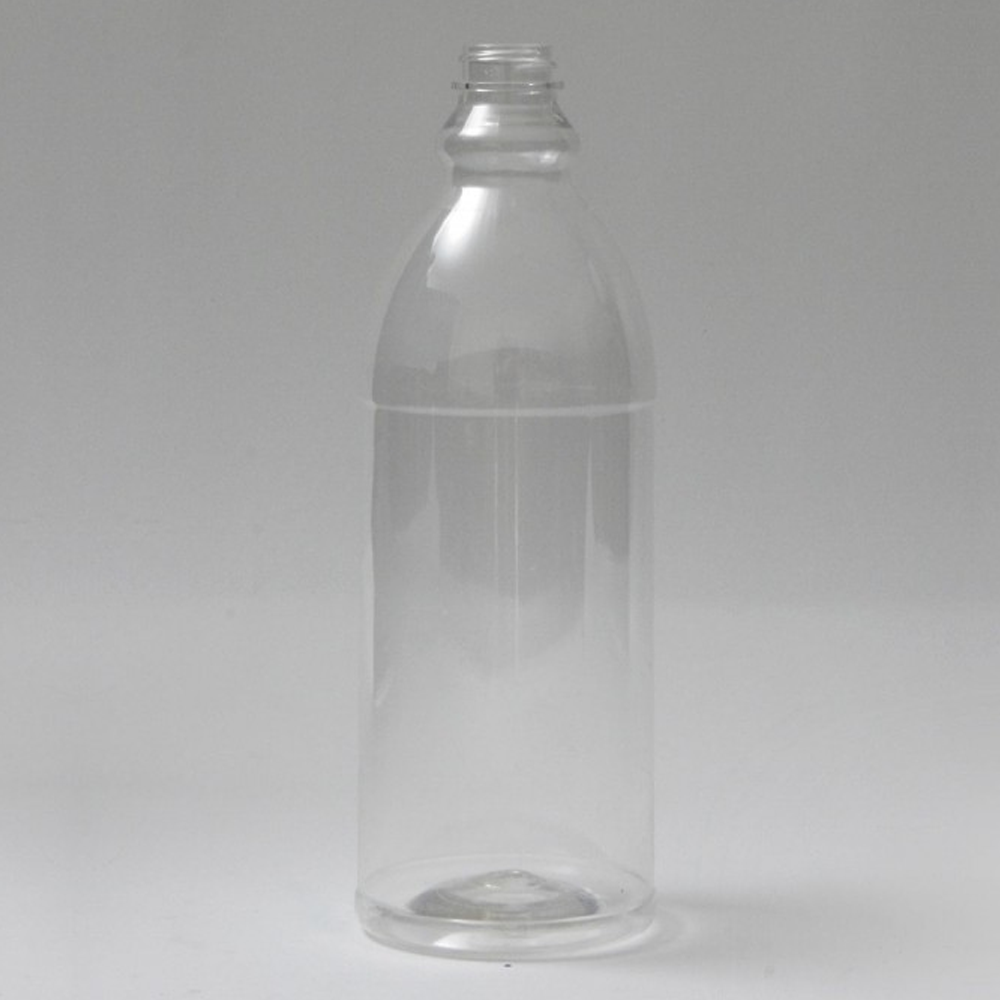
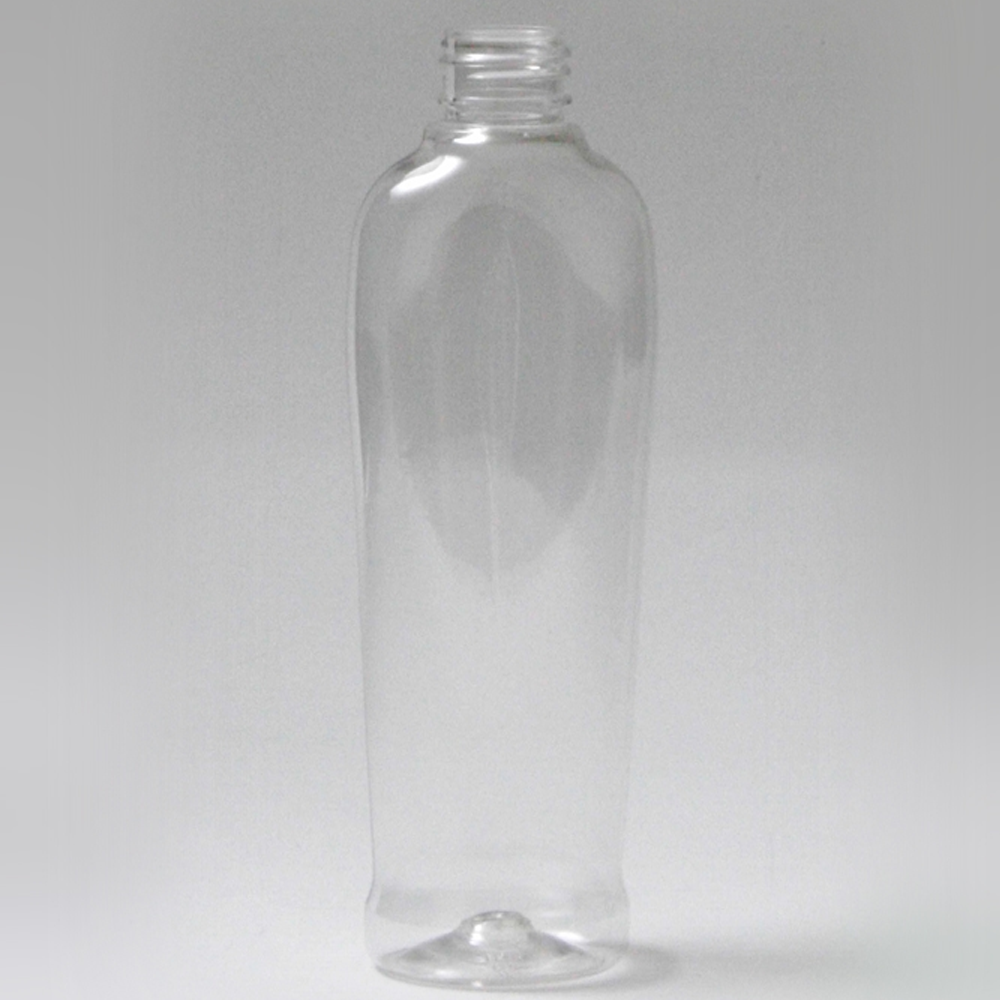
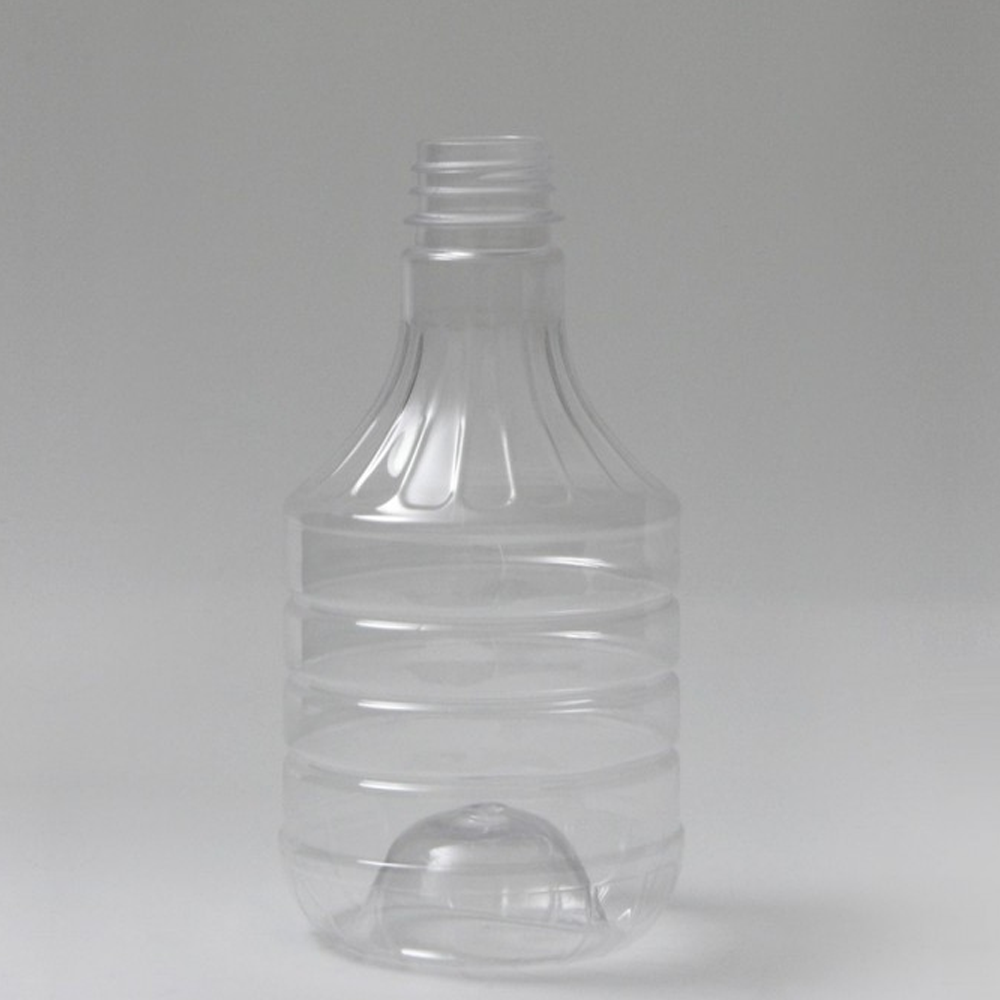
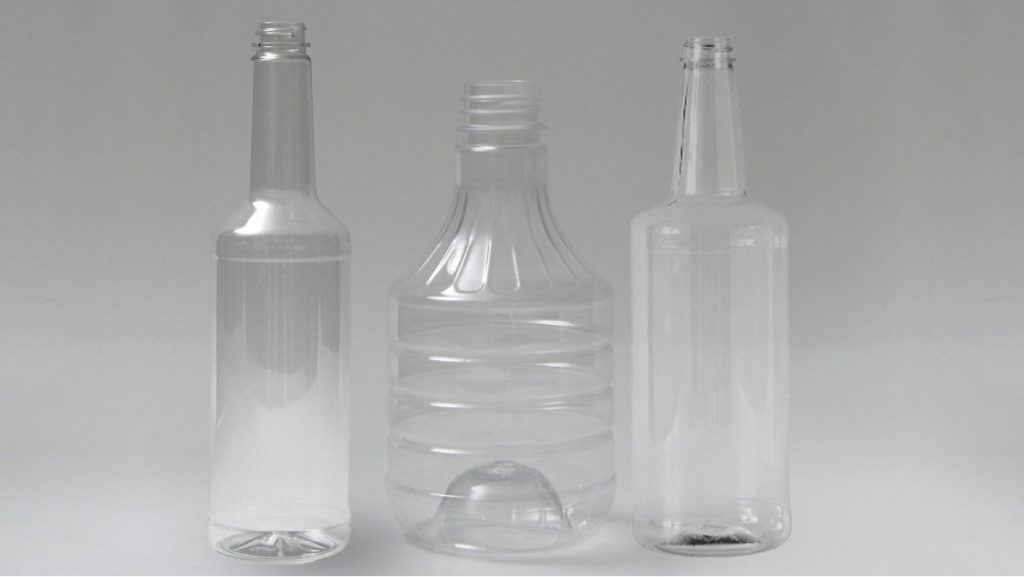
PET is the clear plastic most people associate with beverage bottles and many food containers.
Typical characteristics
- Crystal clear transparency
- Lightweight but strong
- Good oxygen barrier properties
- Excellent for product visibility on store shelves
- Widely recycled
PET is commonly used for:
- Beverages
- Cooking oils
- Sauces
- Nutritional supplements
- Household liquids where visibility matters
One advantage that many people outside the packaging industry don’t realize is PET’s shipping efficiency. Because PET containers are strong relative to their weight, they often ship very lightweight compared to other materials, which can reduce freight costs for brands distributing product nationally.
HDPE (High-Density Polyethylene)
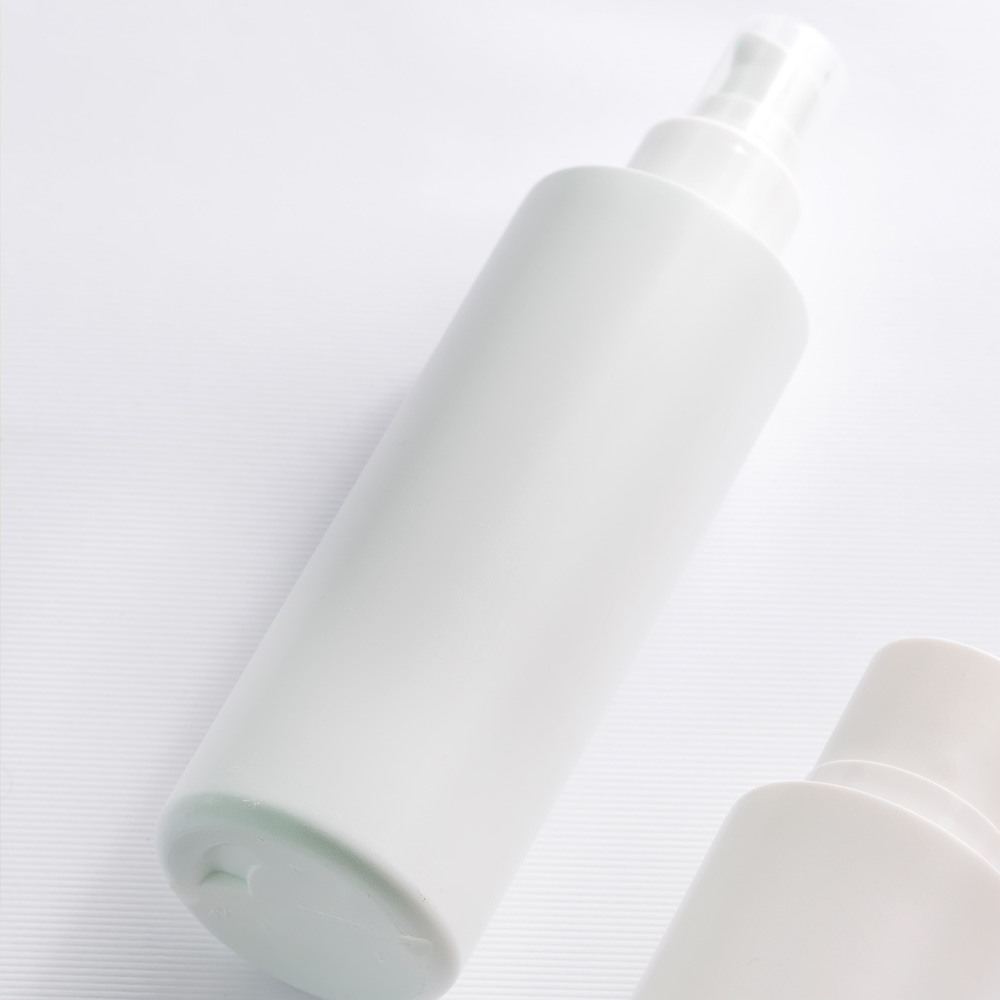
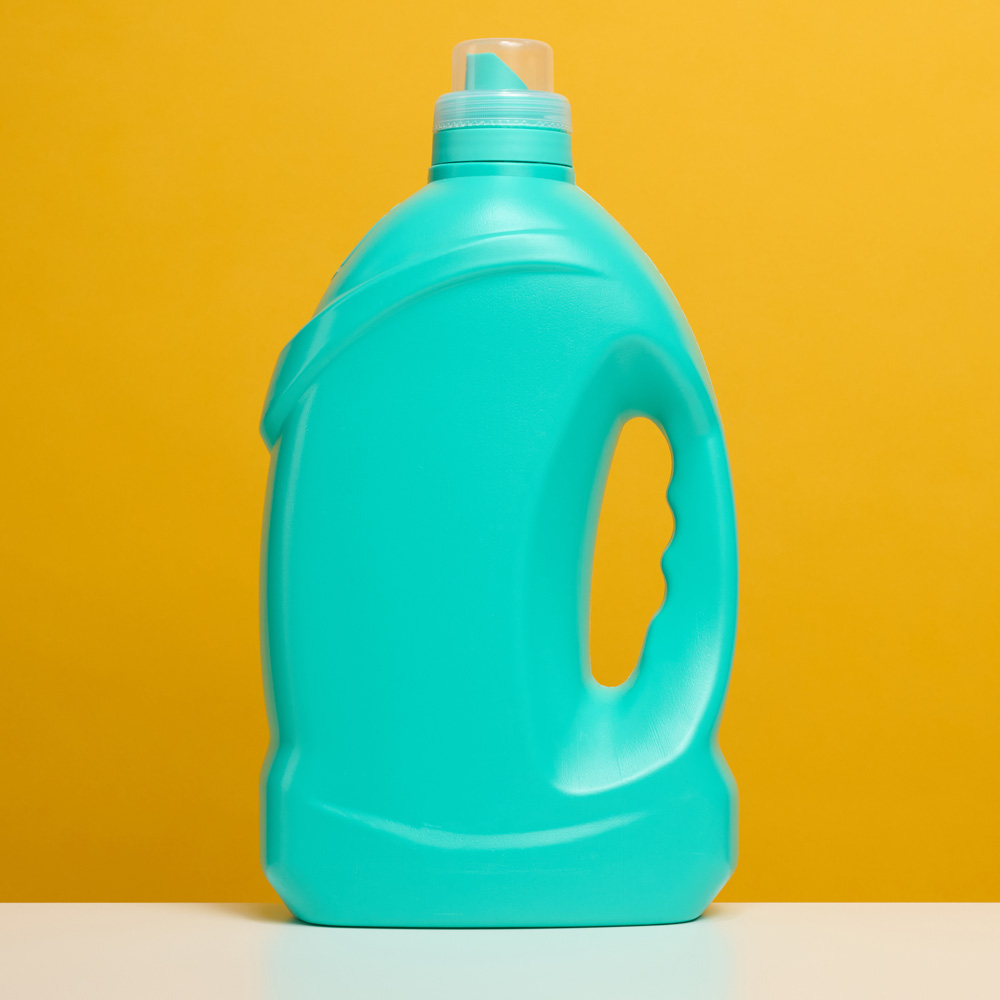
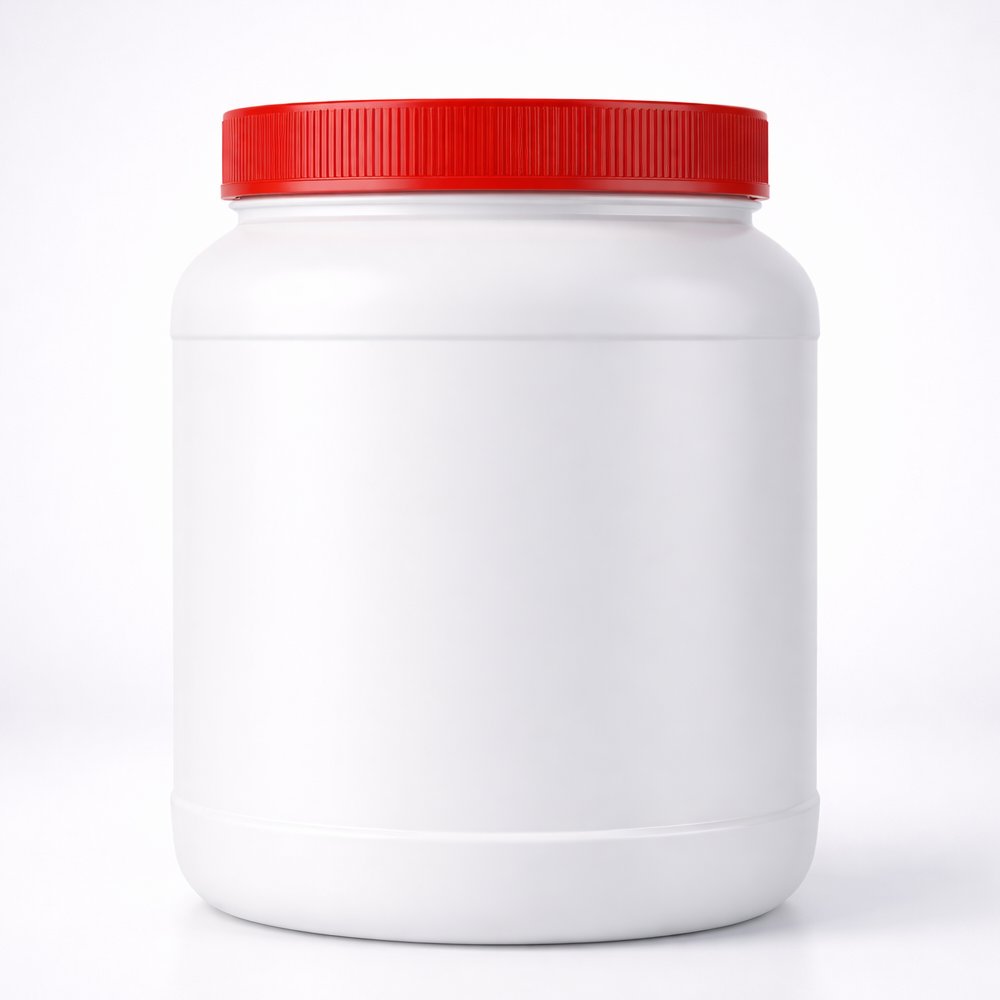
HDPE is a more opaque and durable plastic commonly used for chemical products, household cleaners, and certain food applications.
Typical characteristics
- Opaque or translucent appearance
- Excellent chemical resistance
- Durable and impact resistant
- Flexible and squeezable
- Common in industrial and household products
HDPE is often used for:
- Heavy Detergents
- Cleaning products
- Industrial chemicals
- Motor oils
- Some dairy and food containers
Because HDPE handles strong chemicals and oils better than many other plastics, it is often the preferred choice when product compatibility is the primary concern.
| Feature | PET | HDPE |
|---|---|---|
| Appearance | Clear | Opaque |
| Chemical Resistance | Moderate | Very high |
| Shelf Appeal | Excellent | Limited |
| Shipping Weight | Very lightweight | Slightly heavier |
| Typical Uses | Beverages, food products | Chemicals, detergents |
The Three Factors That Usually Decide Between PET and HDPE
From a manufacturing and packaging standpoint, most bottle decisions ultimately come down to three practical considerations.
1. Product Visibility
For many consumer products, seeing the product matters.
Clear packaging allows customers to quickly evaluate color, purity, and fill level. This is especially important for food products, beverages, and supplements where appearance communicates freshness and quality.
A simple rule of thumb we often share with brands is:
If you want customers to see the product, PET is usually the better choice.
2. Chemical Compatibility
Some products simply require HDPE due to chemical interaction with the container.
Examples include:
- Strong cleaning chemicals
- Certain solvents
- Oils or industrial fluids
In these situations, HDPE’s chemical resistance becomes the deciding factor regardless of other design considerations.
3. Cost and Logistics
Cost differences between PET and HDPE can vary depending on:
- Bottle size
- Weight (gram weight)
- Order volume
- Freight distance
While resin prices fluctuate, another cost consideration is transportation efficiency. PET bottles often provide a high strength-to-weight ratio, which can reduce shipping costs when distributing large volumes.
For growing brands shipping nationwide, this can become a meaningful factor.
A Real Example: Why Some Food Brands Choose PET
We often see this situation when new food products are being developed.
A brand may initially explore several container options, including opaque packaging. But once they see a clear PET bottle, the advantages become obvious.
Being able to see the product:
- Shows off the natural color
- Builds trust with customers
- Makes the product stand out on shelves
For many food products, the visual appeal of PET becomes a deciding factor once the brand considers how the product will appear in retail environments.
Choosing the Right Material for Your Product
There isn’t a universal “best” plastic for every bottle. Instead, the right material depends on how the product will be used, shipped, and presented to customers.
In general:
PET is often ideal when:
- Product visibility is important
- You want clear packaging for retail display
- Shipping weight efficiency matters
HDPE is often preferred when:
- Chemical compatibility is critical
- The product is industrial or household chemical based
- Durability or squeezability is required
Common Questions
Is PET safer than HDPE?
Both PET and HDPE are widely used food-grade plastics. The choice between them typically depends on product compatibility and packaging requirements, rather than safety differences.
Why are beverage bottles usually PET?
PET provides excellent clarity and lightweight strength, which makes it ideal for beverage packaging.
Final Thoughts
Choosing between PET and HDPE isn’t just a material science decision, it’s also a product positioning and logistics decision. Brands launching new products often discover that the packaging material influences everything from shelf appeal to freight costs. Understanding the strengths of each material early can help companies select packaging that supports both product performance and brand presentation.