Ordering PET bottles for the first time can feel overwhelming. Between minimum order requirements, tooling decisions, freight costs, and timelines, it’s easy for new brands to underestimate both cost and complexity.
This guide is designed to give small businesses a clear, realistic overview of what to expect when ordering PET bottles — and to help you make informed decisions before requesting quotes or placing an order.
1. Defining Your Bottle Requirements (The Starting Point)
Before speaking with a manufacturer, it’s important to understand the basic requirements of your bottle. These details directly impact cost, feasibility, and lead time.

At a minimum, you should know:
- Intended use (beverage, personal care, household, etc.)
- Required volume (oz / mL)
- Product viscosity
- Neck finish and closure compatibility
- Label or decoration type
Why this matters: Manufacturers price and schedule production based on these inputs. Incomplete information often leads to delays, revised quotes, or unsuitable packaging.
2. Quantities & Minimum Order Requirements (MOQs)
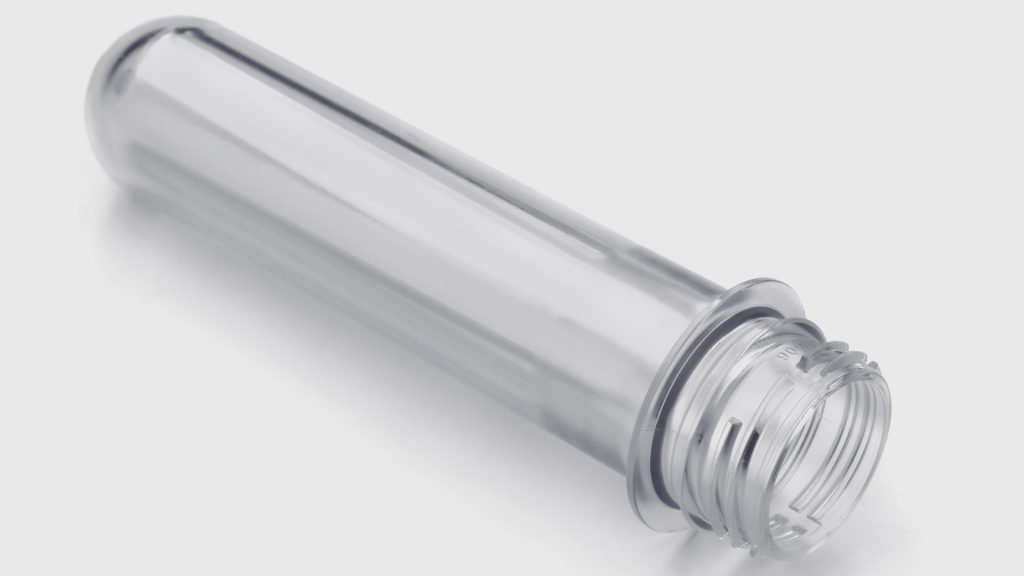
Minimum order quantities are one of the biggest surprises for first-time buyers. PET bottles (learn more about what PET is here) are produced in high-speed blow molding equipment, which requires efficient run sizes to remain cost-effective.
Typical considerations include:
- Higher minimums for custom bottles
- Lower (but still substantial) minimums for stock bottles
- How quantity affects per-unit pricing
- Trade-offs between ordering small vs ordering efficiently
Key takeaway: Ordering too few bottles often increases cost disproportionately — while ordering slightly more can significantly reduce per-unit pricing.
3. Understanding Bottle Pricing (What You’re Paying For)
Bottle pricing isn’t just about plastic. It reflects multiple cost components combined into a per-unit price.

These typically include:
- PET resin/preform
- Manufacturing time and machine setup
- Quality control and scrap allowances
- Secondary operations (if required)
For first-time buyers, it’s important to understand that unit price decreases as volume increases, due to fixed setup and efficiency factors.
4. Custom Bottles & Tooling Considerations
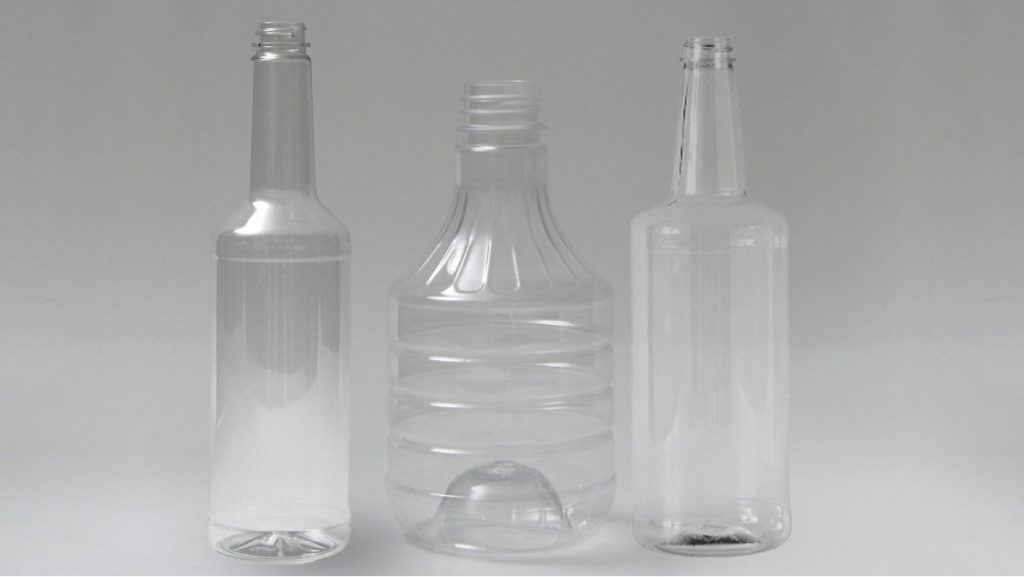
Many new brands ask whether they need a custom bottle design. The answer depends on branding goals, volume, and budget.
Custom bottles require:
- A precision-machined mold
- Upfront tooling investment
- Longer lead times
While tooling is a one-time cost, it’s not always the right starting point for new businesses. Learn more about custom bottles here.
5. Packing, Handling & Warehousing Costs
Beyond manufacturing, bottles must be packed, stored, and handled — costs that are often overlooked early in the process.

Common considerations include:
- Bulk packing vs palletized packing
- Storage duration and space requirements
- Handling and re-palletization fees
- Inventory release schedules
Why this matters: These costs affect your total landed cost and should be factored into budgets from the start.
6. Shipping & Freight: A Major Cost Driver
PET bottles are lightweight but bulky, making freight a significant part of total cost.

Key freight factors include:
- Pallet count and cube utilization
- LTL vs full truckload shipments
- Distance from manufacturing facility
- Fuel surcharges and accessorial fees
Important note: Freight is often priced by volume, not weight — meaning bottle design and packing method directly impact shipping cost.
7. Production Timelines & Lead Times
First-time buyers can underestimate how long packaging takes from concept to delivery.
Typical timelines include:
- Quoting and spec review
- Sampling (if required)
- Production scheduling
- Packing and shipment
Please note that custom molds extend timelines further due to design, machining, and validation.
8. Quality, Compliance & Documentation
For food, beverage, and personal care brands, compliance matters.

Manufacturers may provide:
- Material statements
- Regulatory documentation (Prop 65, Good Manufacturing Practices, etc.)
- Lot traceability and quality records
This documentation is often required for audits, retailers, or co-packers. Make sure you understand what is required of your business before you request a quote or contact a manufacturer. Compliance can be a layered and complex set of documents and file requirements for your business especially if you are producing a food/beverage product.
9. Common First-Time Ordering Mistakes
Many issues first-time buyers face are avoidable with early planning. Understanding some of these pitfalls early can save both time and money.
Common mistakes include:
- Underestimating total landed cost
- Ignoring freight and storage
- Choosing incompatible neck finishes
- Ordering too little volume
- Waiting too long to start tooling
10. Preparing to Request Quotes (Next Steps)
When you’re ready to speak with manufacturers, preparation is key.
Before requesting quotes, you should have:
- Clear bottle specifications
- Estimated annual volumes
- Desired timelines
- Budget expectations
- Shipping destination information
Being prepared leads to faster quotes, more accurate pricing, and smoother production. As always, contact us with any questions you might have about your project.